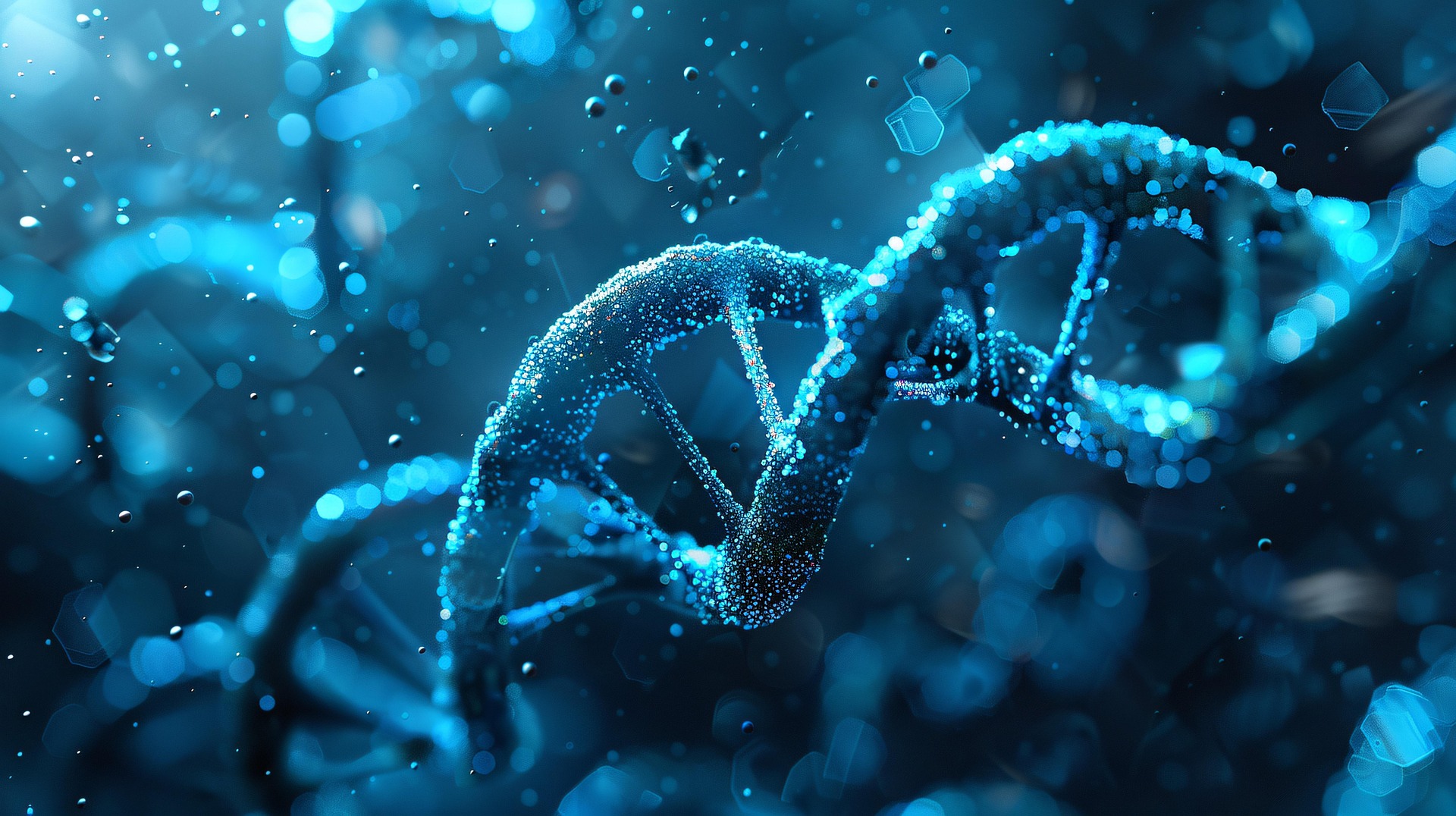
Cancer predisposition refers to an increased likelihood of developing cancer due to specific genetic variations or mutations. These genetic changes can be inherited from one’s parents and significantly elevate the risk of certain types of cancer. Understanding these genetic variations is crucial for early diagnosis, targeted treatment, and preventive strategies.
BRCA1 and BRCA2
BRCA1 and BRCA2 are two of the most well-known genes associated with increased cancer risk, particularly for breast and ovarian cancers. These genes produce proteins that help repair damaged DNA, ensuring the stability of the cell’s genetic material. However, mutations in these genes can impair this repair process, leading to an accumulation of genetic damage and increasing the risk of cancer development.
BRCA1 mutations are linked to a higher risk of developing breast and ovarian cancers. Women with a BRCA1 mutation have a 55-65% chance of developing breast cancer and a 39% chance of developing ovarian cancer by the age of 70. Men with a BRCA1 mutation also have an elevated risk of breast cancer and may be at a higher risk for prostate cancer.
BRCA2 mutations similarly increase the risk of breast and ovarian cancers, but the risk percentages differ slightly. Women with a BRCA2 mutation have a 45% risk of developing breast cancer and a 11-17% risk of developing ovarian cancer by the age of 70. Additionally, BRCA2 mutations are associated with an increased risk of other cancers, including pancreatic and prostate cancers in men.
TP53 and Li-Fraumeni Syndrome
TP53 is another critical gene associated with cancer predisposition. It encodes the p53 protein, which functions as a tumor suppressor by regulating cell division and preventing the formation of tumors. Mutations in TP53 can lead to the loss of this tumor-suppressing function, resulting in uncontrolled cell growth and cancer development.
Li-Fraumeni syndrome (LFS) is a rare hereditary disorder caused by mutations in the TP53 gene. Individuals with LFS have a significantly increased risk of developing various types of cancer, often at a young age. Common cancers associated with LFS include breast cancer, bone sarcomas, soft tissue sarcomas, brain tumors, and adrenocortical carcinoma. The lifetime risk of developing cancer for individuals with LFS can be as high as 90%.
Other Genetic Variations
In addition to BRCA1, BRCA2, and TP53, there are several other genetic variations associated with increased cancer risk. For example, mutations in the MLH1, MSH2, MSH6, and PMS2 genes are linked to Lynch syndrome, which increases the risk of colorectal, endometrial, ovarian, and other cancers. Mutations in the APC gene are associated with familial adenomatous polyposis (FAP), a condition that predisposes individuals to colorectal cancer and other gastrointestinal cancers.
Mutations in the CDH1 gene can lead to hereditary diffuse gastric cancer (HDGC), which increases the risk of stomach cancer and, in some cases, lobular breast cancer. Furthermore, mutations in the RET gene are linked to multiple endocrine neoplasia type 2 (MEN2), which predisposes individuals to thyroid cancer and other endocrine tumors.
Implications for Healthcare
Identifying individuals with genetic predispositions to cancer is essential for personalized healthcare. Genetic testing can help determine an individual’s risk and inform decisions about preventive measures, such as increased surveillance, lifestyle modifications, and prophylactic surgeries. Early detection of cancer in high-risk individuals can significantly improve treatment outcomes and survival rates.
In conclusion, understanding genetic variations associated with cancer predisposition is a vital aspect of modern medicine. By identifying individuals at increased risk, healthcare providers can offer targeted interventions and improve the overall management of cancer.